
Project Overview
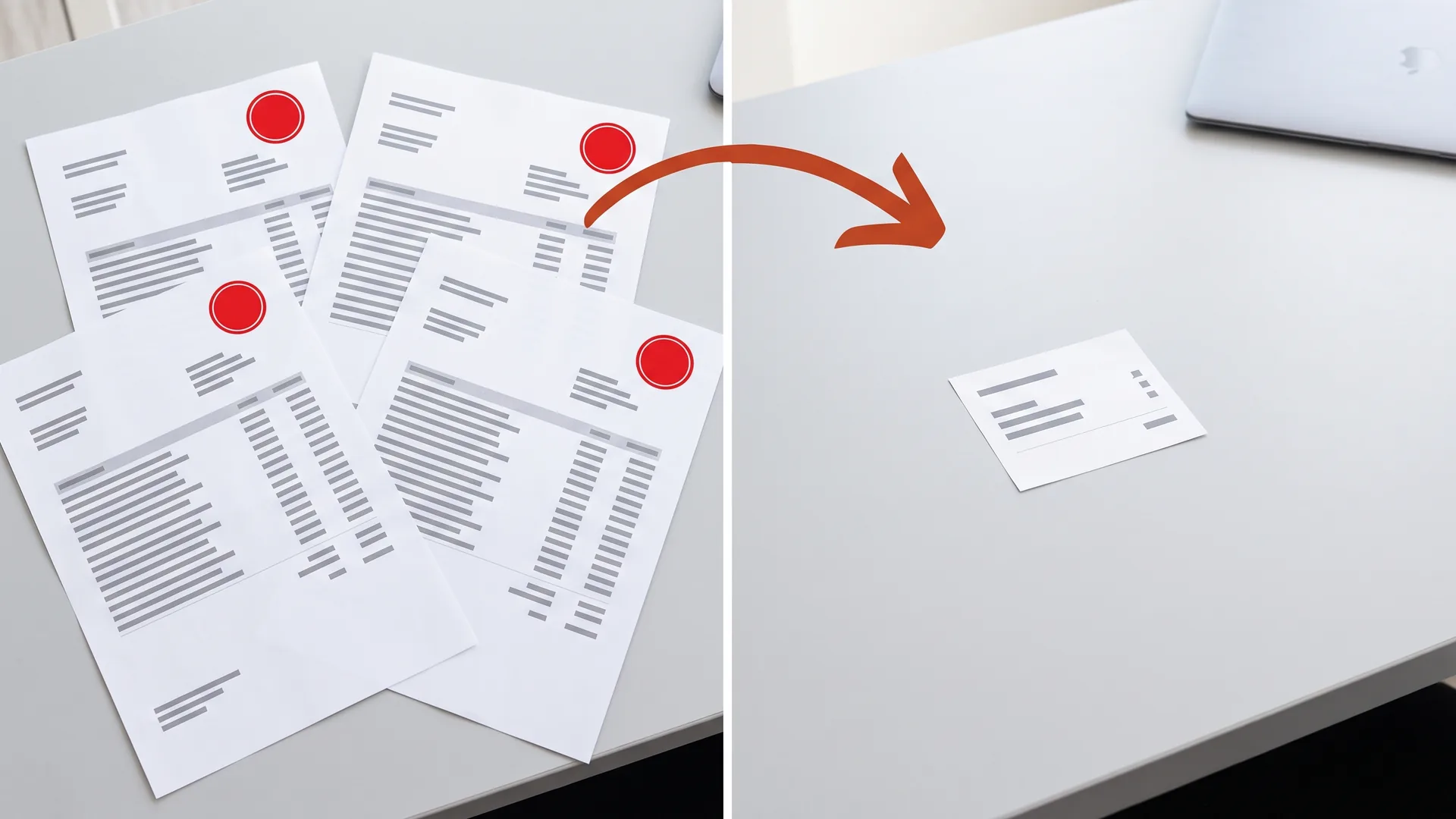
Stratify is a 32-person post-PMF Series A B2B SaaS company. Their outbound motion was running across HubSpot Pro + Apollo + Outreach.io — a $1,847/month stack where they were using maybe 40% of each tool and the actual workflow (list → enrich → sequence → log replies in CRM) crossed all three tools every single time. NodeSparks built a custom multi-workflow system that replaces the whole stack with a single owned system. Year-1 savings: $19,164.
The Problem
Stratify's VP of Sales had inherited the stack from her predecessor. Each tool individually was best-in-class for its niche. Together they were a Rube Goldberg machine. The team kept a 12-step internal SOP for "how to launch an outbound campaign" because no single tool could do it end-to-end. New AE onboarding took two weeks just to learn the tool chain.
When she ran the cost-vs-usage analysis, the picture was stark: $22,164/yr on tools where, conservatively, $13k of features were unused. The team was paying for surface area, not value. And every step where the workflow hopped between tools was a step where data went stale, reps got confused, and the founder's monthly pipeline reviews were full of "the CRM says X but Apollo says Y."
The Build
This was a Lane 01 custom AI system, scoped at $14,500 against a 5-week timeline. The deliverable: one owned system that handles list-building, enrichment, scoring, sequencing, reply detection, CRM logging, and hot-lead routing — end-to-end, in one place, with one source of truth.
Modular delivery: week 2 shipped the contact + enrichment module (replacing Apollo). Week 3 shipped the sequencing engine (replacing Outreach.io). Week 4 shipped the CRM layer (replacing HubSpot Pro for sales — they kept HubSpot Free for marketing). Week 5 was integration testing, deployment to the client's infrastructure, documentation, and a handoff walkthrough with the sales team. Stratify had full ownership of the codebase from day 35.
Stack
- Runtime: Claude Code for personalization + reply classification, Python for the data pipeline
- Enrichment: Clay's API (Stratify kept the Clay subscription — it is the one tool genuinely best-in-class for waterfall enrichment)
- Sending: Postmark for transactional, Resend for bulk
- Database: Postgres on the client's existing Supabase project
- Frontend: Next.js admin panel for the sales team to manage sequences
- Hosting: Stratify's existing Vercel project + Supabase
Outcome
- Tool stack cost: $1,847/mo → $180/mo (API costs)
- Year-1 cash savings: $19,164
- New AE onboarding time: 2 weeks → 3 days (single system to learn, not three)
- Sales-marketing data consistency: significantly improved (single source of truth)
- Build cost: $14,500. Payback period: ~9 months on cash alone
- Optional maintenance retainer: $1,500/mo (Stratify chose this for the first 6 months, then in-housed)
Eighteen months on, the system has been extended by Stratify's in-house engineering team twice (new reply-classification labels, a Slack alert when the win-rate on a sequence drops below threshold) without our involvement. They consider the build one of the highest-leverage spending decisions of the year.
“We were paying $1,847 a month across HubSpot Pro, Apollo, and Outreach.io and using maybe 40% of each. The real workflow — list, enrich, sequence, log replies in the CRM — crossed all three tools every single time. NodeSparks built us a custom system that does the whole motion in one place. We pay the API bills now (about $180 a month) and own the code. Year-1 savings are just over $19k, and the new system actually fits our process instead of forcing us to fit theirs.”
The call is free and the written scope with its fixed number is free too. You keep the scope whether you hire us or not. Nothing is paid before work starts.