
Project Overview
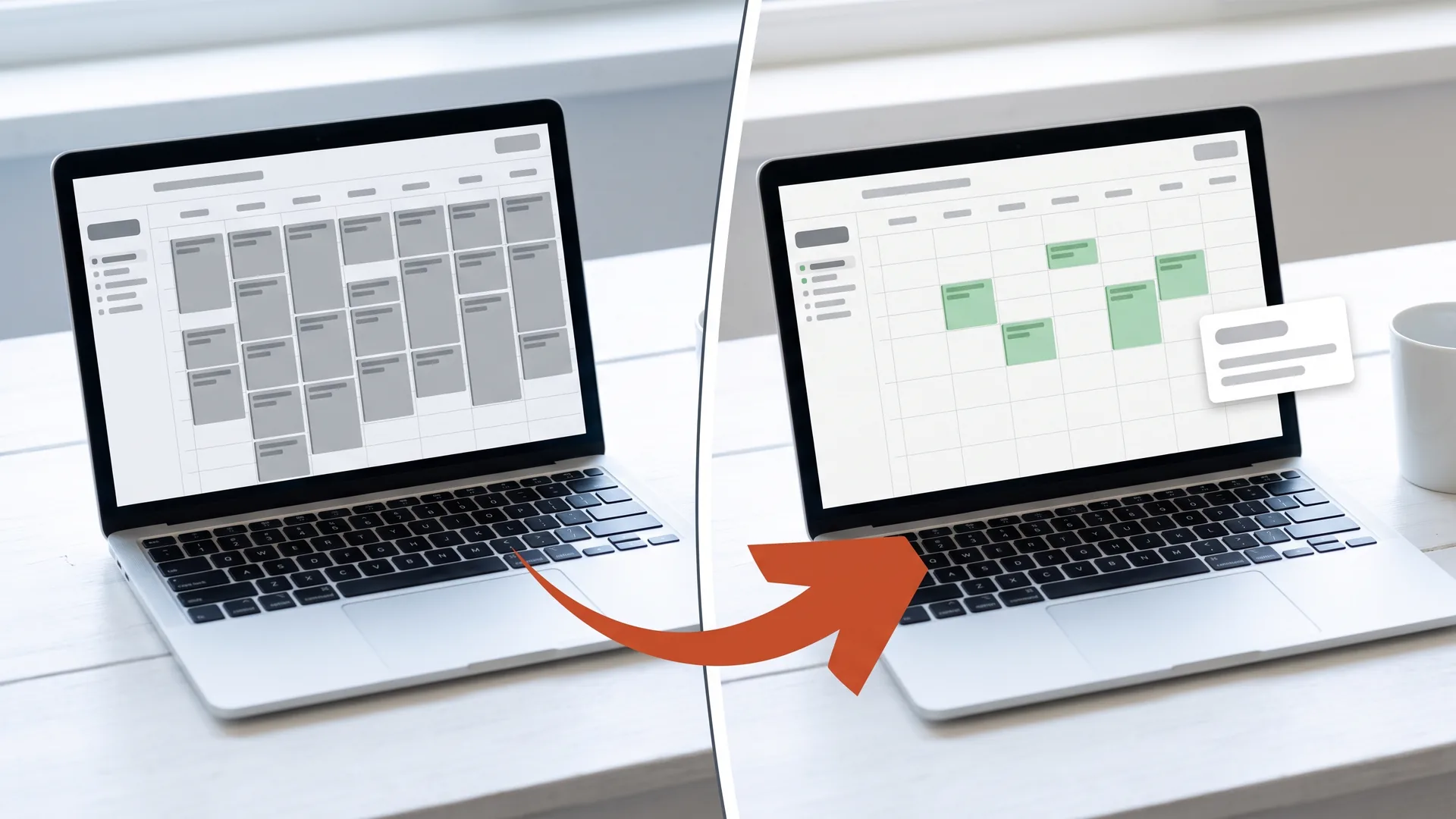
RevSync is an 18-person scale-up building a revenue operations platform for B2B SaaS finance teams. Their inbound demo flow was suffering a ratio problem: roughly half of demos booked were no-fit leads who should have been screened out at the form, and the other half were good-fit leads whose first-touch SLA was slipping because the SDR was buried in the first pile.
NodeSparks built an inbound qualification agent that enriches the form submission, scores against their ICP rules, and routes — hot leads ping the AE in Slack within minutes, cold leads go to nurture, no-fit leads get a polite auto-decline. Demo conversion went up, first-touch SLA dropped from 19 hours to 4.
The Problem
RevSync's "Book a Demo" form was a firehose. Every submission landed in HubSpot, every submission got the same automated calendar link, every submission was treated as a real lead until proven otherwise. The SDR triaging the calendar bookings was spending 5–8 hours a week disqualifying no-fit demos after they had been booked — and embarrassingly, sometimes after they had already happened.
The no-fit pattern was usually obvious from the form fields plus 30 seconds of LinkedIn checking: company size below 20 people (RevSync's ICP starts at 50), industry outside fintech/SaaS, or job titles that did not have buying authority. None of that triage needed to be done by a person — but no one had built the routing layer.
The Build
We scoped a Lane 02 custom AI agent. The pipeline: form submission webhook → enrichment via Clay (company size, industry, tech stack) → ICP scoring against a YAML rule file the RevSync team owns → routing decision. Hot leads (>80 score) DM the AE who owns that territory and post in #hot-inbound. Warm leads (50–80) go to a nurture sequence with a softer follow-up. Cold (<50) get an auto-decline with a "we will revisit if your team grows past 50" message.
Total build time: 8 working days. The ICP YAML file is human-editable, so when RevSync's sales team wanted to adjust scoring thresholds in week two, they did it themselves without us touching the code.
Stack
- Runtime: Claude Code for the natural-language reasoning step on edge cases
- Enrichment: Clay (their existing subscription) via API
- Scoring: deterministic YAML rule file + Claude fallback for ambiguous cases
- Routing: Slack DM API + HubSpot custom property write
- Hosting: Vercel serverless function in RevSync's own project
Outcome
- No-fit demos: ~50% of bookings → ~20% (60% reduction)
- First-touch SLA for hot leads: 19 hrs → 4 hrs (78% faster)
- SDR triage time: 5–8 hrs/wk → ~1 hr/wk
- Demo-to-opportunity conversion: 14% → 22% (cleaner top of funnel)
- Build cost: $4,200. Annualized ROI on recovered SDR time alone: 6x in year 1
“We had a ratio problem. Half our demos were no-fit leads we should have caught at the form. The other half were good-fit leads we lost because our SDR was buried in the first pile. NodeSparks built an inbound qualification agent that enriches the form submission, scores against our ICP rules, and routes — hot leads ping our AE in Slack within minutes, cold leads go to nurture, no-fit leads get a polite auto-reply. Demo conversion is up, first-touch SLA dropped from 19 hours to 4. Best $4k we have spent.”
The call is free and the written scope with its fixed number is free too. You keep the scope whether you hire us or not. Nothing is paid before work starts.